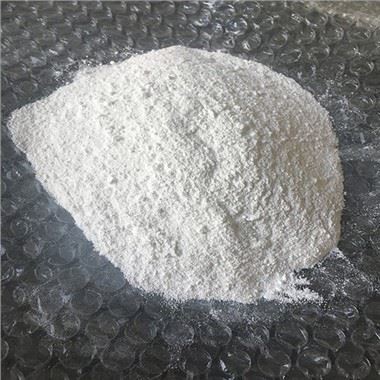
윤활성이 우수한 H-BN의 장점은 무엇입니까?
Apr 08, 2022
일반적으로 윤활유 첨가제는 마찰 쌍의 표면이 함께 움직일 때 거친 표면의 미세 볼록체의 접촉을 방지하기 위해 이동체의 표면에 흡착된 윤활유막의 형태를 변화시켜{0} , 표면의 윤활 및 내마모성을 향상시키기 위해. 현재, 나노 윤활 재료에 의한 윤활 첨가제의 제조는 내마모 윤활 성능을 향상시키는 주요 수단입니다.
These nanomaterials mainly play two roles in lubricating oil, one is "micro ball bearing effect"; The second is the self-healing effect. They will enter the surface of the friction pair when working in motion, and change the friction mode between the friction pair -- from pure sliding friction to sliding and rolling friction. Because the friction coefficient of rolling friction is one order of magnitude smaller than that of sliding friction, friction and wear can be reduced.
Compared with more reported metal nanoparticles (such as copper and iron), H-BN has more application advantages in lubricants. This is because although the soft nano additives have excellent performance, they consume quickly in the use of lubricating oil, and the barrier effect between friction pairs will gradually decline, thus reducing the service life of lubricating oil; On the other hand, most of these metal nanoparticles are polyhedral in shape, and the atoms on the surface are distributed in a ladder shape, with high activity. The improvement of lubricating oil is mainly accomplished through the self-healing effect on the surface of the friction pair, and the "miniature ball bearing" effect is not obvious.
우수한 고체 윤활제의 일종으로 층상 H-BN은 액체 또는 반고체 윤활제와 비교하여 높은 지지력, 고온에서의 안정성 및 안정된 물성의 장점을 가지고 있습니다.{1} 내열 윤활 그리스, 물 또는 용매에 분산되어 마찰 표면에 분무되어 용매가 휘발되고 건조 필름이 형성됩니다. 또한 수지, 세라믹, 금속 및 기타 재료의 표면을 내열성 및-고온{4}}윤활 재료로 채울 수 있습니다.